Discover the newest AI agents, tools, and automation trends shaping the future of work. From powerful agent builders to cutting-edge workflow automation, we break down what matters so you can stay ahead.
Get expert insights, tool comparisons, and curated recommendations—all in one place.
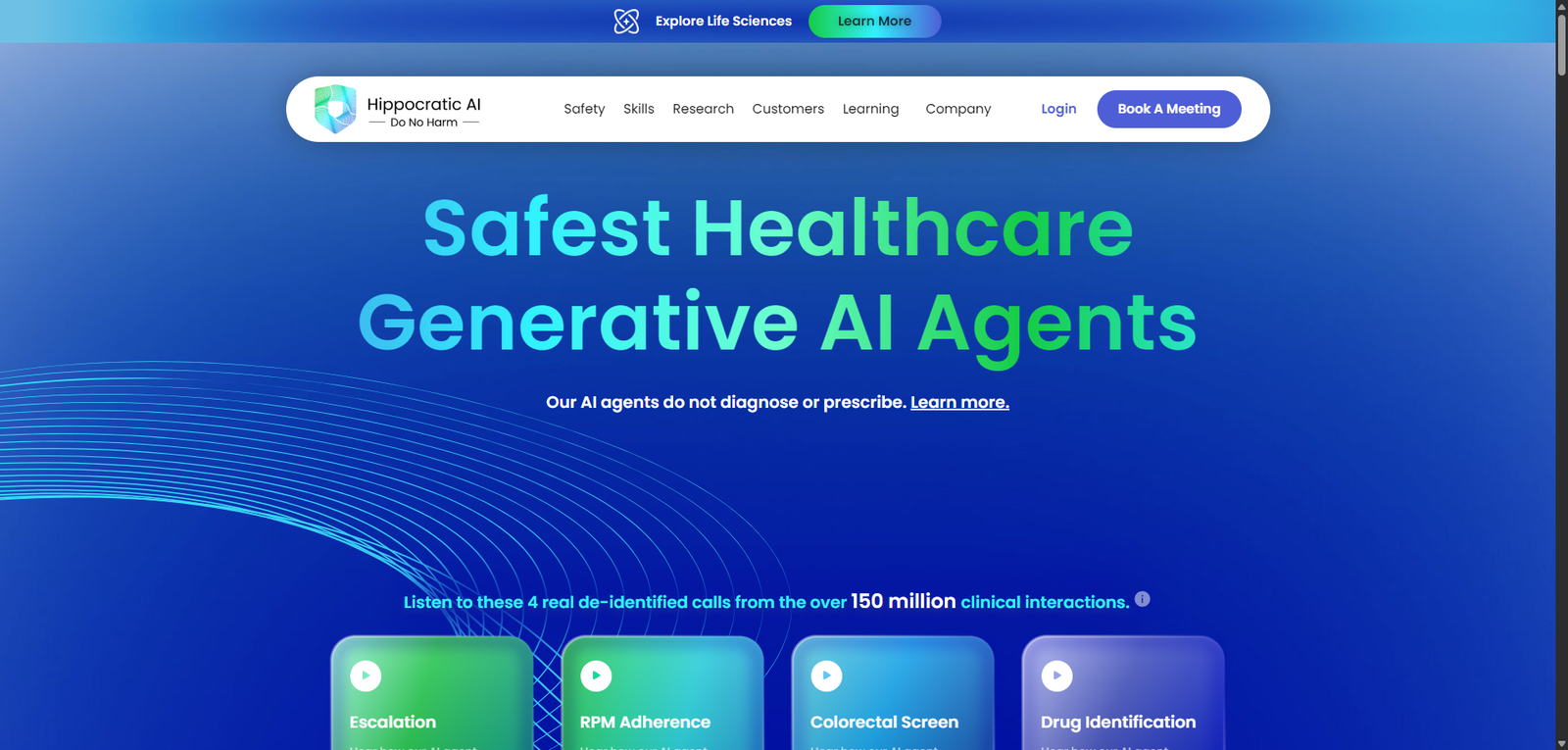
Hippocratic AI is a healthcare-focused AI platform that provides safe, compliant support for patient communication and clinical workflows, helping organizations improve efficiency without replacing medical professionals.
Hippocratic AI is a safety-first healthcare AI platform designed to improve patient communication and operational efficiency without compromising compliance. It stands out for its responsible approach to AI in healthcare, making it a strong option for organizations seeking secure and scalable AI adoption.
Category: AI Healthcare / Clinical AI Assistant
Pricing Snapshot
Plan
Price
Notes
Pilot Programs
Available
Early deployments with healthcare providers
Paid Plans
Not publicly disclosed
Likely enterprise and usage-based
Enterprise
Custom
হাসপাতাল and large-scale healthcare systems
Pricing Transparency: Low — enterprise-focused pricing model
Source Type
Healthcare AI platform positioning
Clinical AI safety and compliance analysis
Comparison with medical AI assistants and digital health tools
Overview
Hippocratic AI is a healthcare-focused AI platform designed to provide safe, compliant, and patient-centered AI interactions, particularly in non-diagnostic clinical workflows.
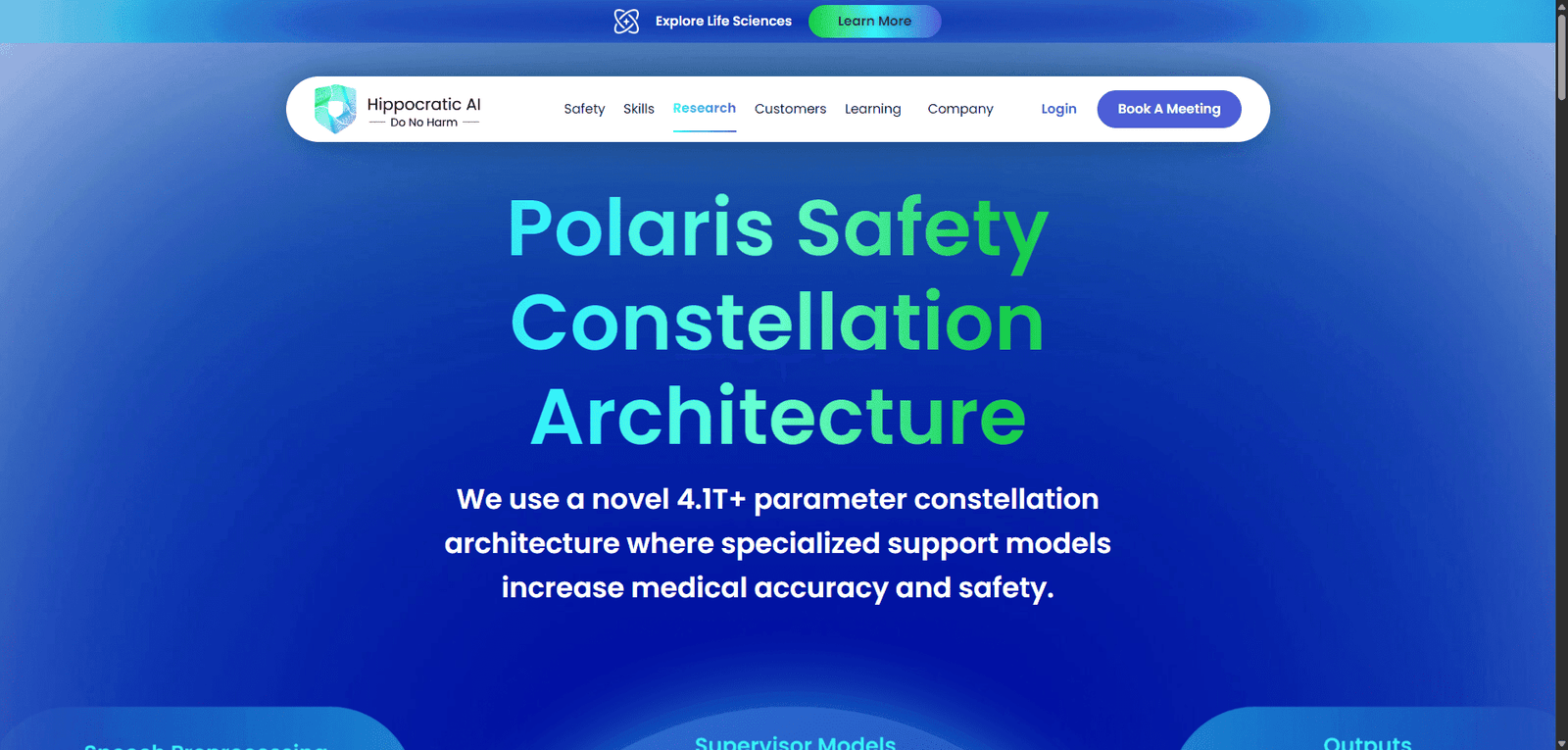
Unlike general-purpose AI systems, Hippocratic AI is built with a “safety-first” architecture, aiming to:
Support patient communication
Assist healthcare operations
Provide medically aligned responses
Reduce administrative burden
The platform is designed to operate within strict healthcare standards, prioritizing accuracy, compliance, and risk reduction in sensitive medical environments.
Key Features
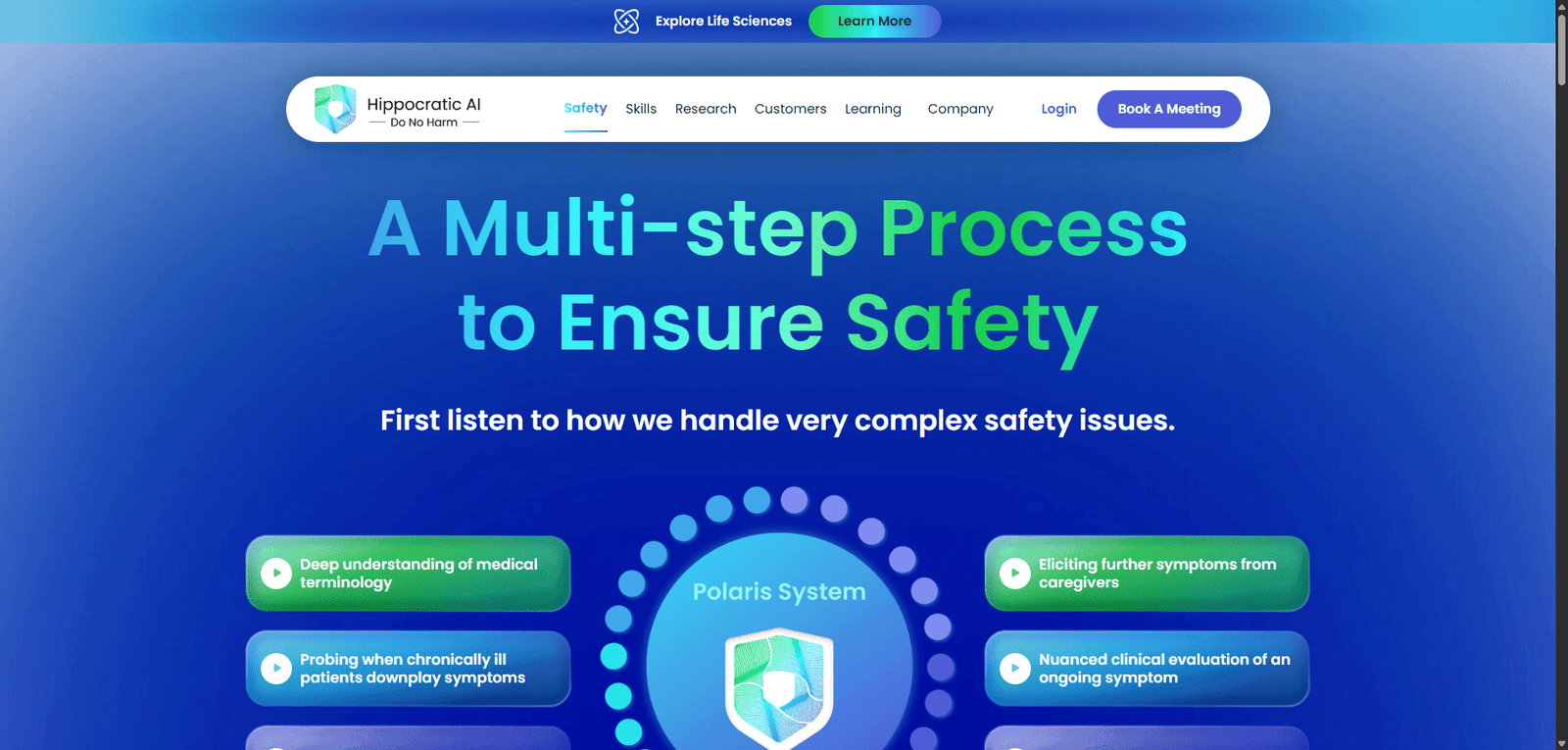
1. Safety-First AI Architecture
Designed specifically for healthcare use
Emphasizes accuracy and risk mitigation
Avoids unsafe or unverified outputs
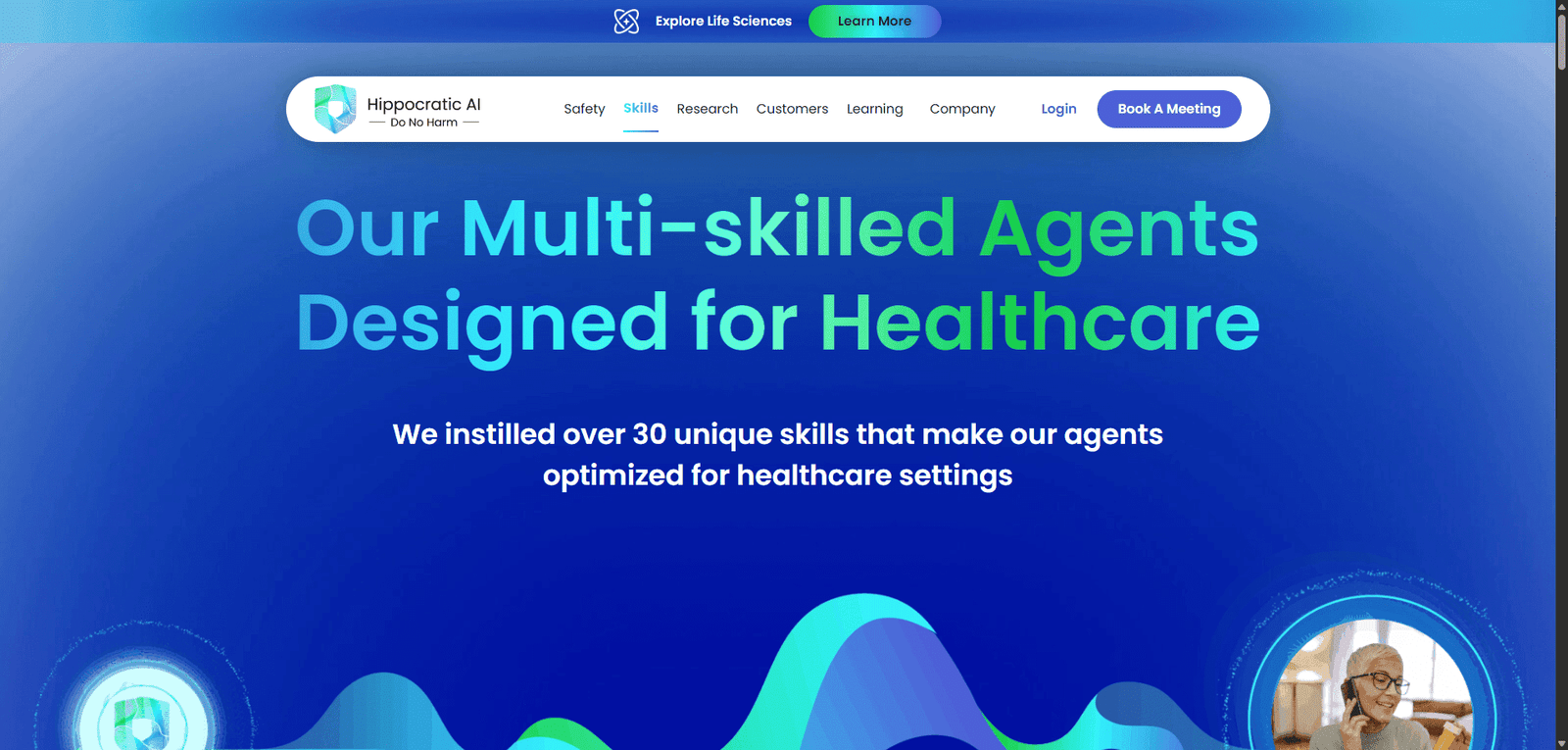
2. Patient Communication Support
Handles patient interactions and follow-ups
Provides clear, understandable responses
Enhances patient engagement
3. Non-Diagnostic Clinical Assistance
Supports administrative and informational workflows
Avoids replacing clinical decision-making
Assists healthcare staff without overstepping
4. Compliance & Governance Focus
Built with healthcare regulations in mind (e.g., HIPAA alignment)
Supports secure and compliant deployments
מתאים for regulated environments
5. Scalable Healthcare Deployment
מתאים for hospitals, clinics, and telehealth platforms
Handles high volumes of patient interactions
Supports enterprise healthcare systems
Use Cases
Patient Engagement & Communication
Answer patient questions
Provide follow-up instructions
Improve communication efficiency
Healthcare Operations
Automate administrative workflows
Reduce staff workload
Improve operational efficiency
Telehealth Support
Assist with virtual care interactions
Provide pre- and post-visit guidance
Enhance digital health experiences
Clinical Workflow Assistance
Support documentation and coordination
Help manage patient information
Streamline internal processes
Pros and Cons
Pros
Strong focus on safety and compliance
სპეციალურად designed for healthcare environments
Improves patient communication and engagement
Reduces administrative burden
Scalable for enterprise healthcare systems
Cons
Pricing not publicly available
Limited to non-diagnostic use cases
Requires integration with healthcare systems
Early-stage adoption in some regions
Not a replacement for medical professionals
Feature Comparison
Feature
Hippocratic AI
Ada Health
Babylon AI
Safety-First Design
Strong
Moderate
Moderate
Patient Communication
Yes
Yes
Yes
Diagnostic Capabilities
No
Yes
Yes
Compliance Focus
High
High
High
Enterprise Readiness
High
Medium
Medium
Alternatives
Tool
Best For
Key Difference
Ada Health
Symptom checking
Includes diagnostic features
Babylon AI
Virtual healthcare
Broader telehealth services
Microsoft Nuance DAX
Clinical documentation
Focus on physician workflows
Infermedica
Medical triage
Diagnostic AI focus
Verdict
Hippocratic AI is a specialized healthcare AI platform that prioritizes safety, compliance, and patient communication. Its focus on non-diagnostic support makes it a practical tool for improving efficiency without introducing unnecessary clinical risk.
Its strengths include:
Safety-first architecture
Strong alignment with healthcare regulations
Scalable communication and operational support
However, it is best suited for:
Healthcare providers and institutions
Telehealth platforms
Organizations prioritizing compliance and patient experience
Less suitable for:
Diagnostic AI use cases
Small clinics with limited budgets
Non-healthcare applications
Rating
Category
Score
Features
4.5 / 5
Ease of Use
4.0 / 5
Safety & Compliance
4.8 / 5
Pricing Transparency
3.0 / 5
Overall
4.3 / 5
FAQ
What is Hippocratic AI used for?
Hippocratic AI is used to support patient communication and healthcare workflows with a focus on safety and compliance.
Does Hippocratic AI provide medical diagnoses?
No, it is designed for non-diagnostic use cases to reduce risk.
Is Hippocratic AI HIPAA-compliant?
It is built with compliance in mind, including healthcare data protection standards.
Who should use Hippocratic AI?
Hospitals, clinics, and healthcare organizations.
Is Hippocratic AI a replacement for doctors?
No, it is designed to assist, not replace, healthcare professionals.