Reinforcement Learning in Agents
Reinforcement learning enables AI agents to learn from experience and improve over time. This guide explains RL concepts, algorithms, and how they are applied in modern intelligent systems.
Learn how to build, design, and deploy AI agents step by step. This category covers AI agent architecture, workflows, prompt engineering, memory systems, and development best practices for creating scalable and intelligent AI solutions.
Reinforcement learning enables AI agents to learn from experience and improve over time. This guide explains RL concepts, algorithms, and how they are applied in modern intelligent systems.

The AI agent lifecycle covers every stage from design and development to deployment and scaling. This guide explains each phase in detail to help you build reliable, production-ready AI agents.

Scaling AI agents requires more than just adding resources. This guide explains how to design scalable architectures, optimize performance, and manage costs for production-ready AI systems.

Deploying AI agents is the final step in building intelligent systems. This guide explains how to move agents from development to production, including infrastructure, scaling, monitoring, and best practices.
Testing AI agents is critical for ensuring reliability and performance. This guide explains how to evaluate agent behavior, measure accuracy, and implement effective testing strategies.
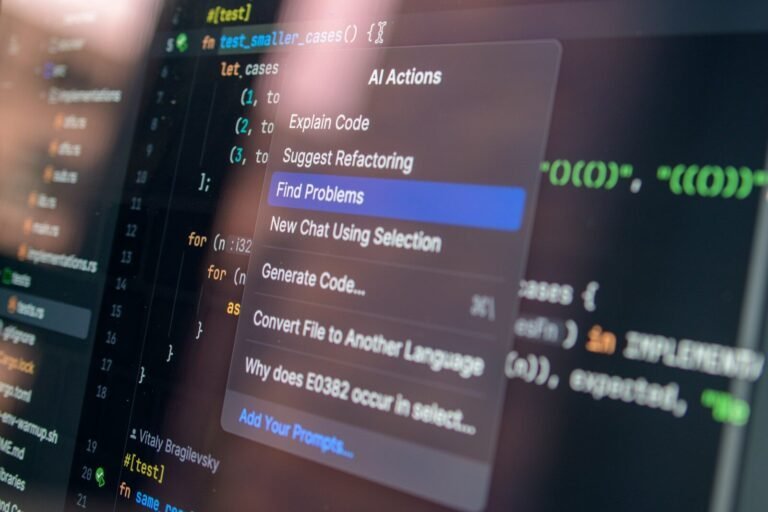
Debugging AI agents is essential for building reliable systems. This guide explains how to identify, trace, and fix issues in AI agents, including hallucinations, tool failures, and workflow errors.

Designing autonomous AI agents requires combining architecture, planning, memory, and tools into a cohesive system. This guide explains how to build intelligent, self-operating agents from the ground up.

AI agent workflows define how intelligent systems process tasks from input to execution. This guide explains workflow design, orchestration, and automation strategies for building scalable AI agents.
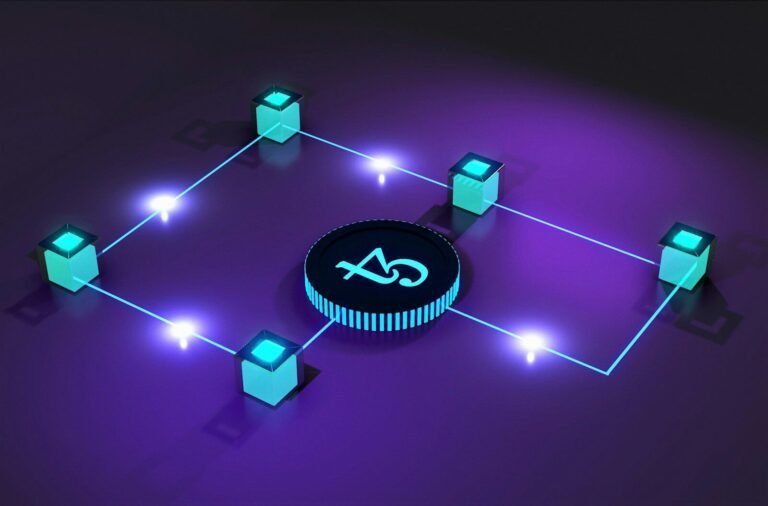
Multi-agent systems involve multiple AI agents working together to solve complex problems. This guide explains architectures, coordination methods, and real-world applications of collaborative AI systems.

Prompt engineering is the control layer of AI agents. This guide explains how to design effective prompts that improve reasoning, tool usage, and reliability in modern agent systems.
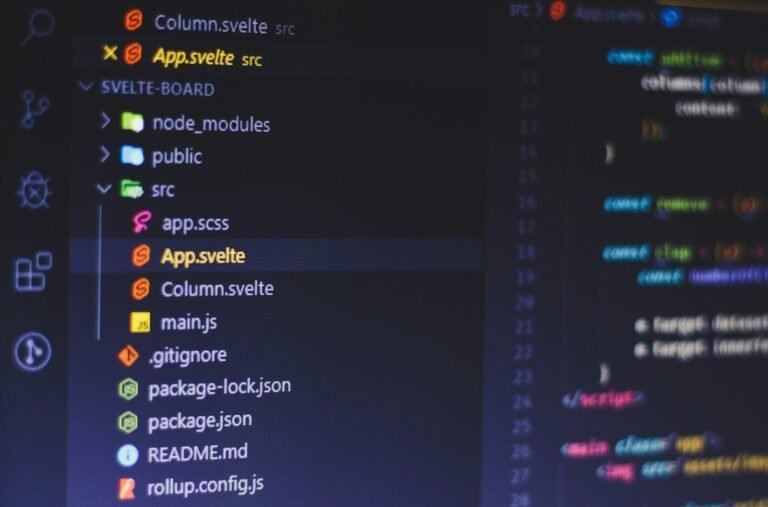
Tools and plugins are what turn AI agents from simple models into powerful systems. This guide explores the essential tools, frameworks, APIs, and integrations needed to build scalable and intelligent AI agents.
Memory in AI agents is what enables context, learning, and personalization. This guide explains how memory systems work, from short-term context to long-term vector storage, and how to design scalable intelligent agents.

Choosing the right large language model is critical for building reliable AI agents. This guide breaks down how to evaluate LLMs based on reasoning, cost, latency, and tool use—so you can design smarter, scalable agent systems.
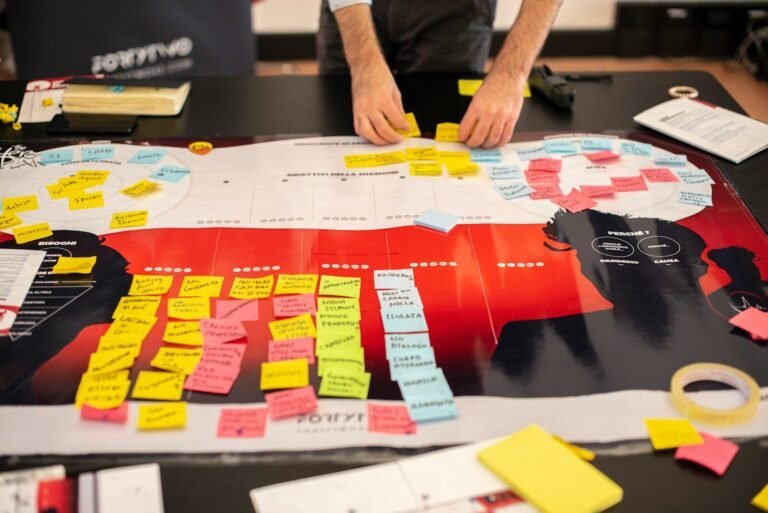
Planning AI agents are the backbone of autonomous decision-making systems. This guide explains how AI agents plan tasks, choose actions, and execute strategies using modern techniques and architectures.
AI agent architecture is the backbone of modern autonomous systems. This guide explains how AI agents are structured, how they perceive, decide, and act, and how developers design scalable intelligent systems in 2026.

Building an AI agent in 2026 is no longer limited to researchers or big tech companies. This practical guide walks you through every step—from defining your agent’s purpose to integrating tools, memory, and decision-making loops—so you can create intelligent systems that automate tasks, interact with users, and solve real-world problems efficiently.