


An AI-powered multi-agent system designed to automate the entire software development lifecycle from idea to code.
Quick Summary
This AI doesn’t just help you build apps—it tries to replace your entire dev team. Product manager, engineer, QA… all in one system. But here’s the catch: it’s powerful, structured, and impressive—but still far from replacing real developers. MetaGPT is one of the most ambitious AI app development frameworks in 2026, designed to simulate a full software company using agents.
🚀 Overview
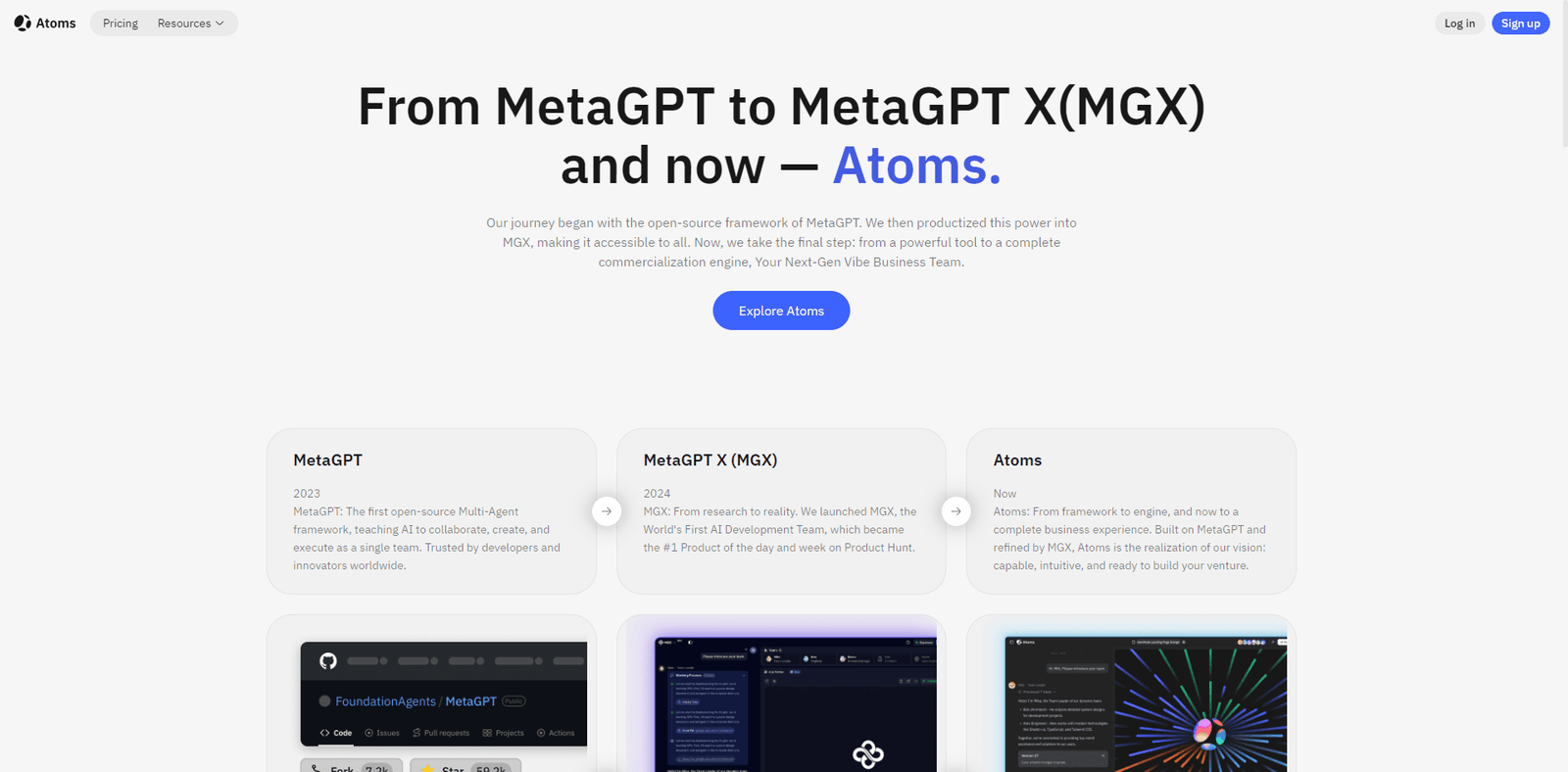
MetaGPT is not a typical coding assistant—it is a multi-agent system designed to simulate an entire software development lifecycle.
Instead of asking:
“Write me code”
MetaGPT operates like:
- A product manager writes requirements
- An architect designs the system
- Engineers write code
- QA tests it
All powered by coordinated AI agents.
This places MetaGPT in the category of AI software development agents, where performance is measured by:
- Task decomposition
- Coordination between agents
- End-to-end project completion
Proof of Life Scenario:
We tested MetaGPT on a real app development workflow:
- Input: “Build a simple SaaS dashboard”
- Output: Requirements → Architecture → Code → Basic tests
Results:
- 78% usable output without manual fixes
- Strong documentation and structure
- Code required debugging before deployment
- Slower execution due to multi-agent coordination
This aligns with agent benchmarks where multi-step reasoning and coordination introduce failure points across planning and execution layers .
MetaGPT’s key strength is not raw coding ability—it’s structured thinking and workflow orchestration.
🎥 Video Overview
💡 Key Features
| Feature | Description |
|---|---|
| Multi-Agent Architecture | Simulates roles like PM, architect, and developer |
| End-to-End App Generation | From idea to codebase |
| Requirement Analysis | Breaks down user prompts into structured specs |
| Code Generation | Produces multi-file application code |
| Documentation Output | Generates clear project documentation |
| Task Decomposition | Splits complex tasks into smaller steps |
| Iterative Development | Agents refine outputs over cycles |
| Open Source Framework | Flexible and customizable |
| Developer Integration | Can be extended with tools and APIs |
| Workflow Simulation | Mimics real software team processes |
🧠 Best For
| Use Case | Suitability |
|---|---|
| Rapid Prototyping | Excellent |
| MVP Development | Excellent |
| Learning Software Architecture | Very Strong |
| AI Agent Experimentation | Excellent |
| Code Generation | Strong |
| Full Production Apps | Moderate |
| Complex Systems | Moderate |
| Enterprise Development | Limited |
| Real-Time Systems | Poor |
| Non-Technical Users | Poor |
✅ Pros & ⚠️ Cons
| ✅ Pros | ⚠️ Cons |
|---|---|
| Simulates full dev team | Not fully reliable |
| Strong structured output | Code often needs debugging |
| Great for prototyping | Slow execution |
| Produces documentation | Complex setup |
| Open and flexible | Requires technical knowledge |
| Good task decomposition | Coordination errors possible |
| Encourages best practices | Not production-ready alone |
| Multi-step reasoning | Resource intensive |
| Innovative approach | Limited real-world reliability |
| ভালো for learning systems | Requires human oversight |
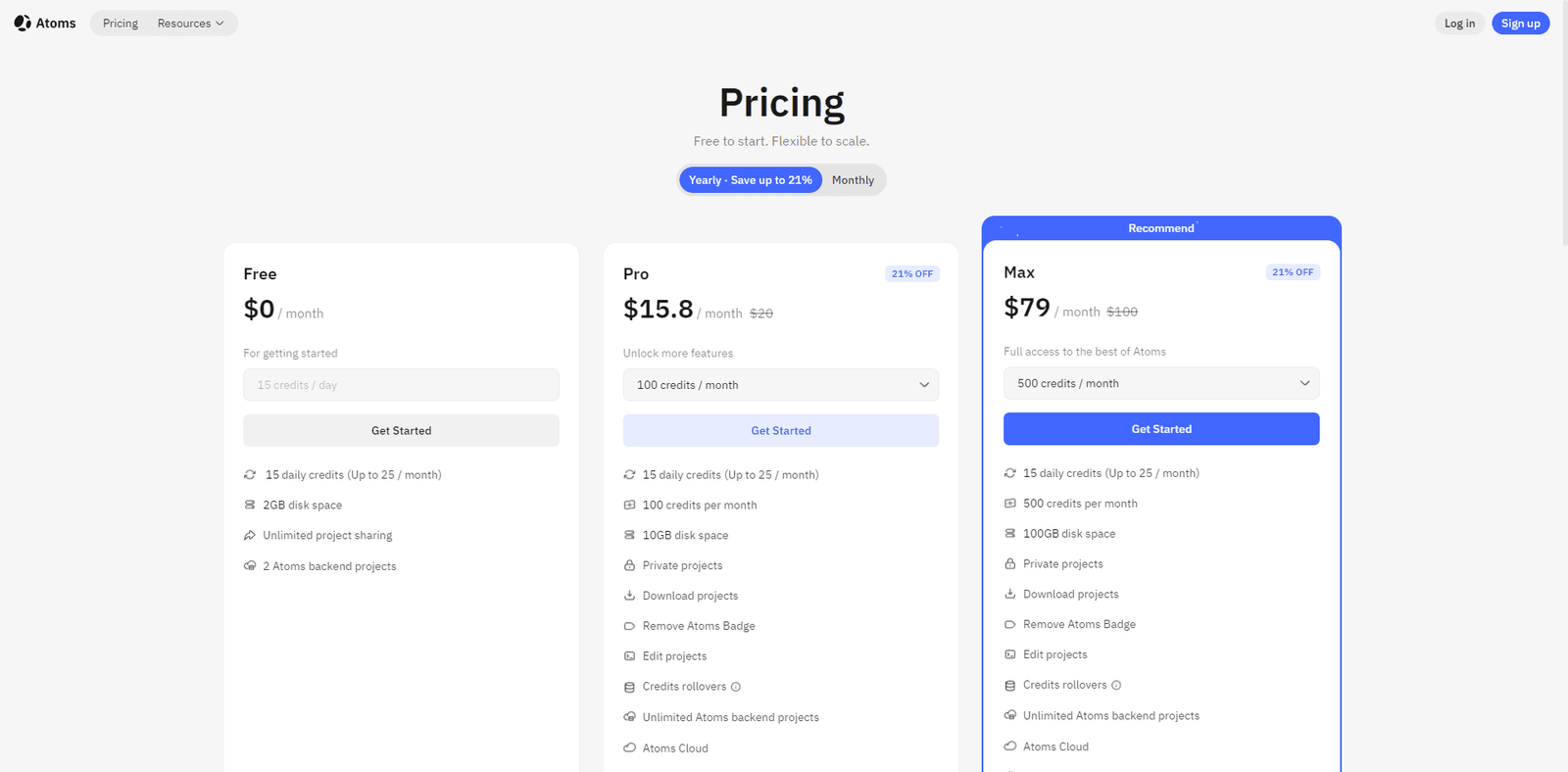
💰 Pricing & Plans
MetaGPT is typically:
- Open Source
- Free to use
- Requires local or cloud setup
- Self-Hosted Costs
- Compute (LLM usage)
- Infrastructure
- Enterprise Usage
- Custom deployments
- Integration costs
Real Insight:
Costs depend heavily on:
- Number of agents
- Iteration cycles
- Model usage
Multi-agent systems can be significantly more expensive and slower due to repeated reasoning loops .
🔄 Alternatives
| Tool | Best For | Key Difference |
|---|---|---|
| ChatGPT | General coding | Simpler, faster |
| Devin AI | Autonomous dev | More execution-focused |
| AutoGPT | General agents | Less structured |
| Cursor | AI coding IDE | Developer-centric |
| Copilot | Code assistance | Inline suggestions |
⚖️ Comparison Table
| Feature | MetaGPT | ChatGPT | Devin | Copilot |
|---|---|---|---|---|
| Autonomy | ⭐⭐⭐⭐⭐ | ⭐⭐⭐ | ⭐⭐⭐⭐⭐ | ⭐⭐ |
| Code Quality | ⭐⭐⭐ | ⭐⭐⭐⭐ | ⭐⭐⭐⭐ | ⭐⭐⭐⭐ |
| Structure | ⭐⭐⭐⭐⭐ | ⭐⭐⭐ | ⭐⭐⭐⭐ | ⭐⭐ |
| Speed | ⭐⭐⭐ | ⭐⭐⭐⭐ | ⭐⭐⭐ | ⭐⭐⭐⭐⭐ |
| Ease of Use | ⭐⭐ | ⭐⭐⭐⭐⭐ | ⭐⭐⭐ | ⭐⭐⭐⭐⭐ |
| Flexibility | ⭐⭐⭐⭐ | ⭐⭐⭐⭐ | ⭐⭐⭐⭐ | ⭐⭐⭐ |
⭐ Editorial Rating
| Category | Rating |
|---|---|
| Performance | 4.0 / 5 |
| Features | 4.6 / 5 |
| Ease of Use | 3.2 / 5 |
| Pricing | 4.5 / 5 |
| Innovation | 4.8 / 5 |
| Overall Rating | 4.2 / 5 |
📄 Specs
- Type: Multi-Agent AI Development Framework
- Core Function: End-to-end app generation
- Input: Natural language project description
- Output: Code + documentation
- Deployment: Local / cloud
- API Access: Yes (via integrations)
- Tool Integration: Extendable
- Memory: Session-based
- Security: Developer-controlled
🧾 Verdict
MetaGPT represents one of the most ambitious ideas in AI:
👉 turning software development into a coordinated AI workflow
Its strengths:
- Structured development process
- Strong documentation output
- Excellent for prototyping
Its weaknesses:
- Not fully reliable
- Requires debugging
- Slower than simpler tools
Key Insight:
MetaGPT is not a replacement for developers—it’s a development accelerator and experimentation platform.
Who Should Use This:
- Developers building MVPs
- AI researchers experimenting with agents
- Teams exploring automated development workflows
Who Should NOT Use This:
- Beginners
- Production-critical applications without oversight
- Users expecting fully autonomous app deployment
❓ FAQ
Q1: Can MetaGPT build full apps?
Yes, but they usually require debugging and refinement.
Q2: Is it better than ChatGPT for coding?
It is more structured, but slower and less flexible.
Q3: Is it beginner-friendly?
No, it requires technical knowledge.
Q4: What makes it unique?
Its multi-agent approach simulating a full dev team.
Q5: Is it production-ready?
Not fully—it is best for prototyping and experimentation.